
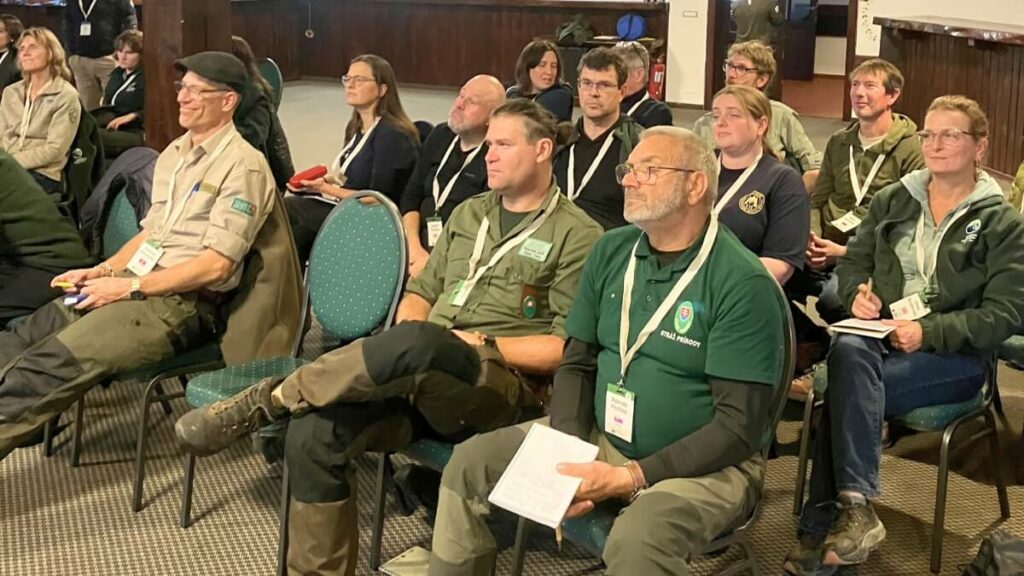
We wanted to hear from you, the participants of the 6th European Ranger Congress: How did you experience the congress, and what did you take away for your ranger work at home? Which topics were particularly important to you, which ones were perhaps missing, and what should be improved in future?
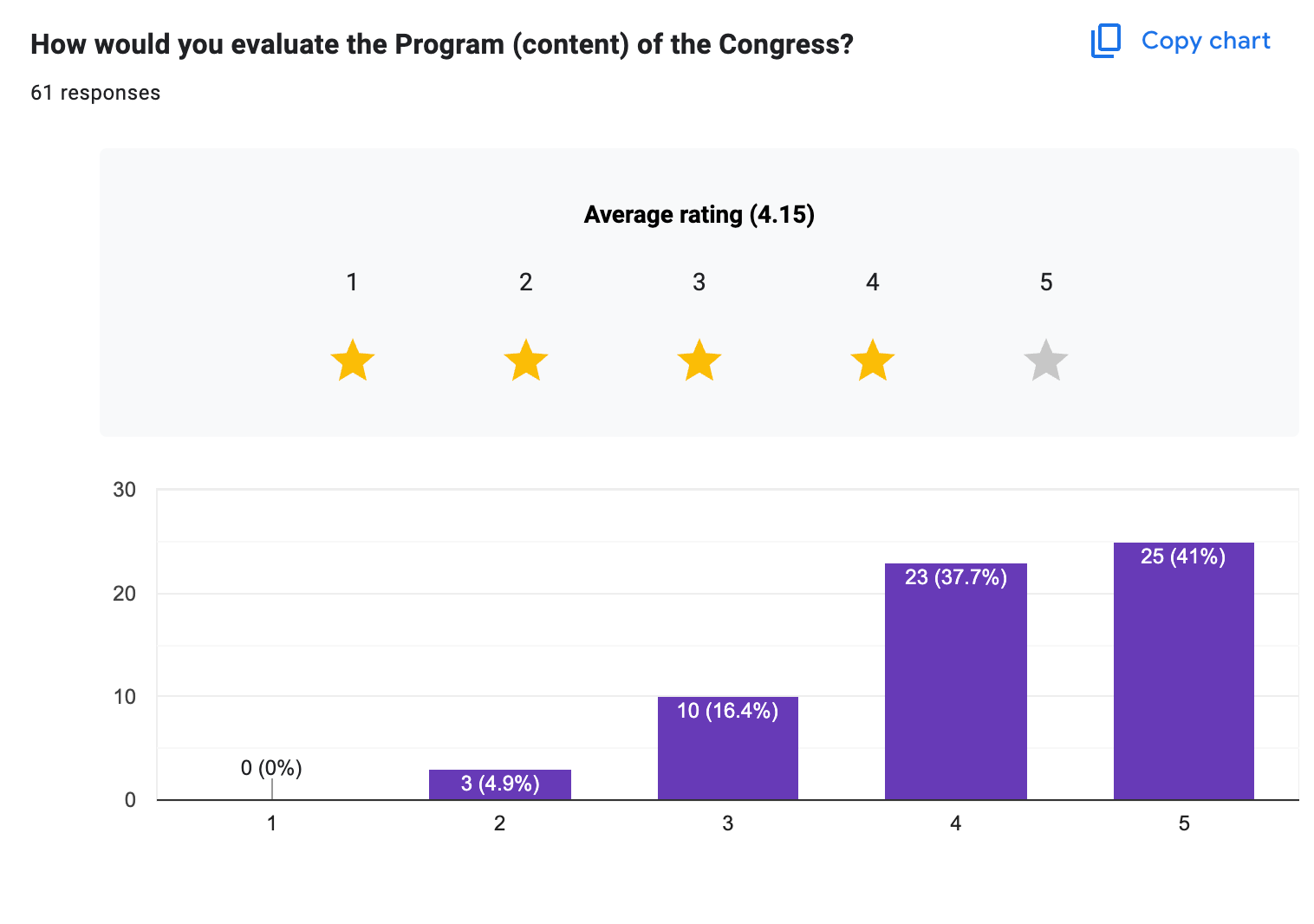
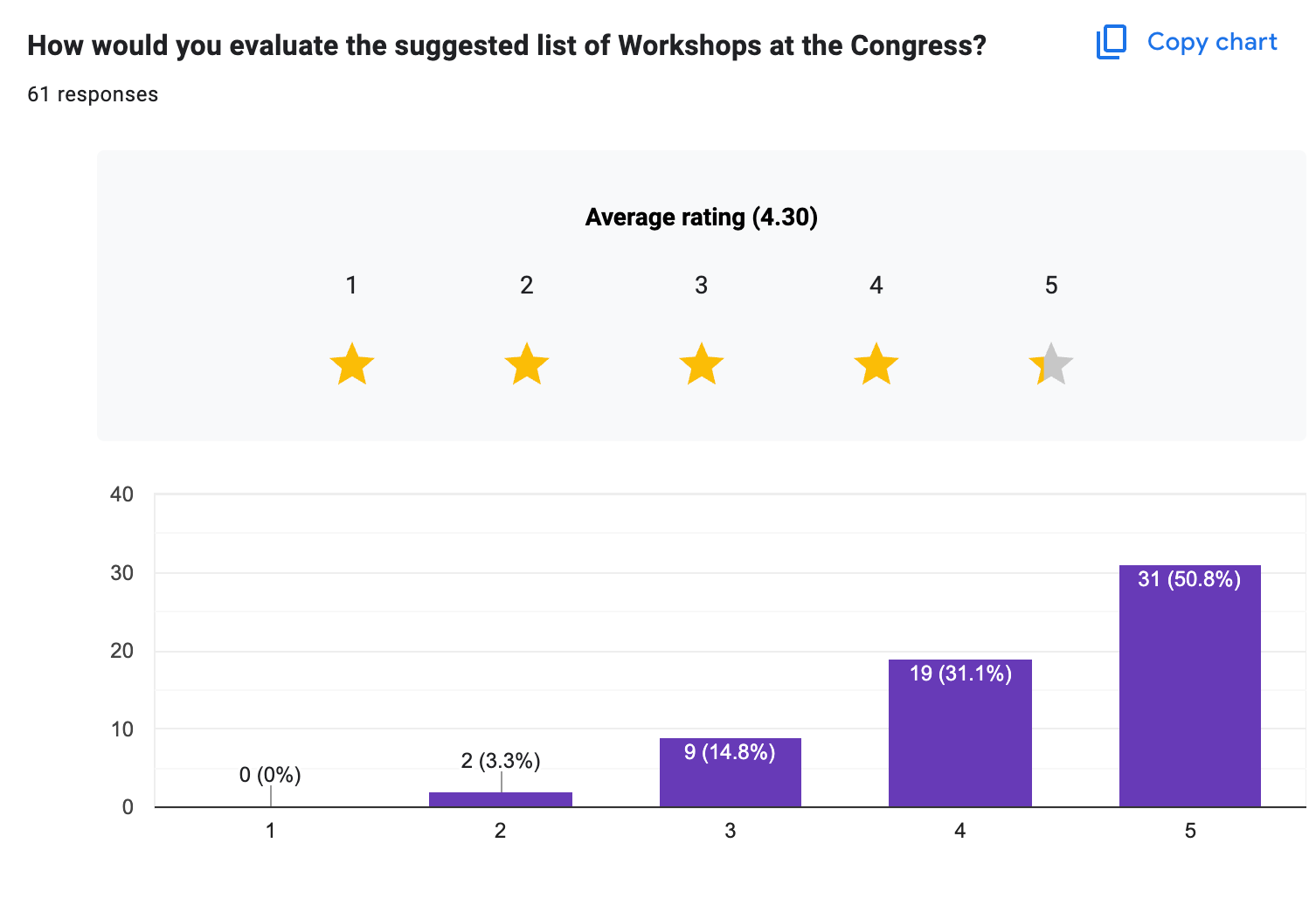
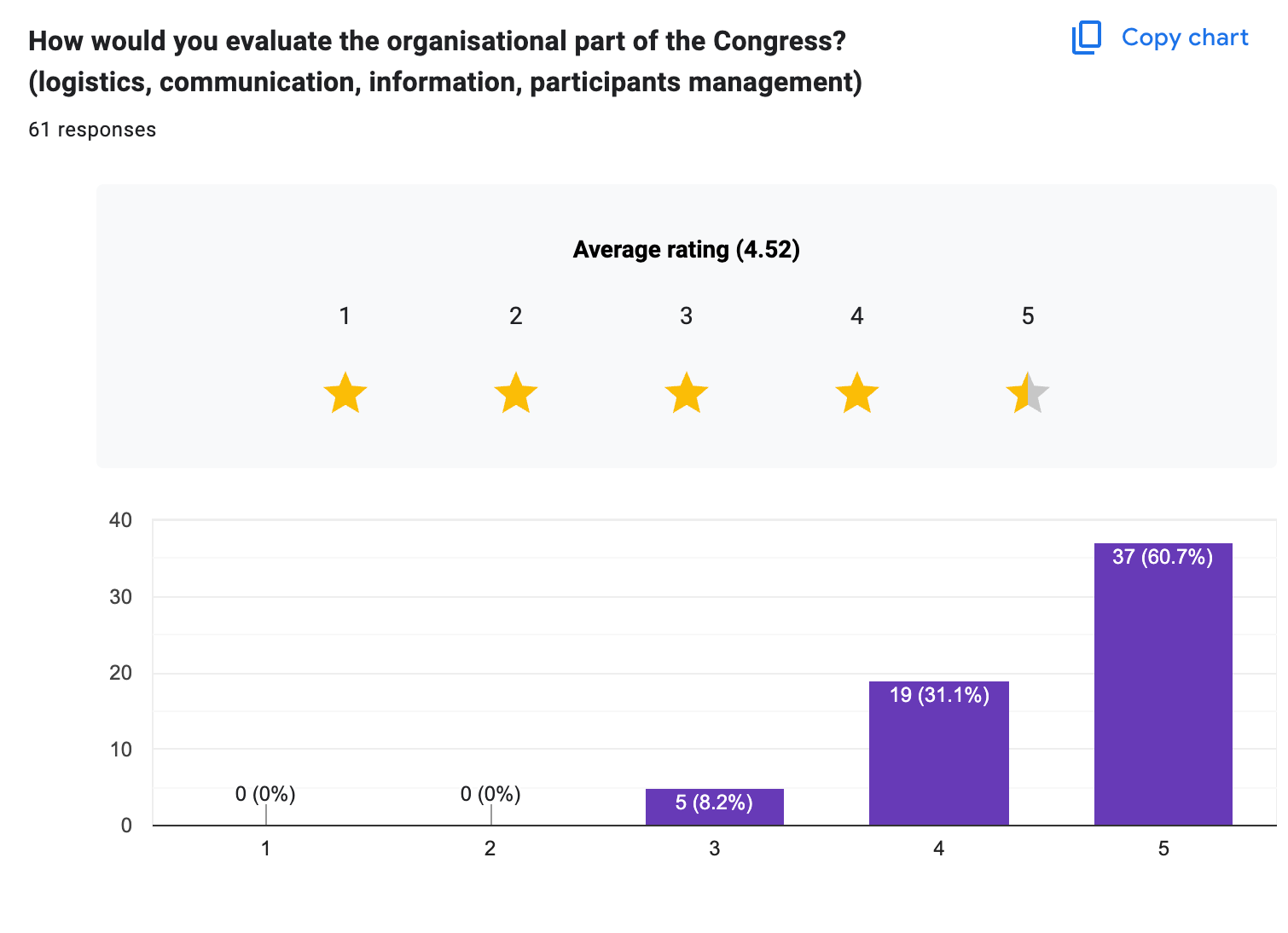
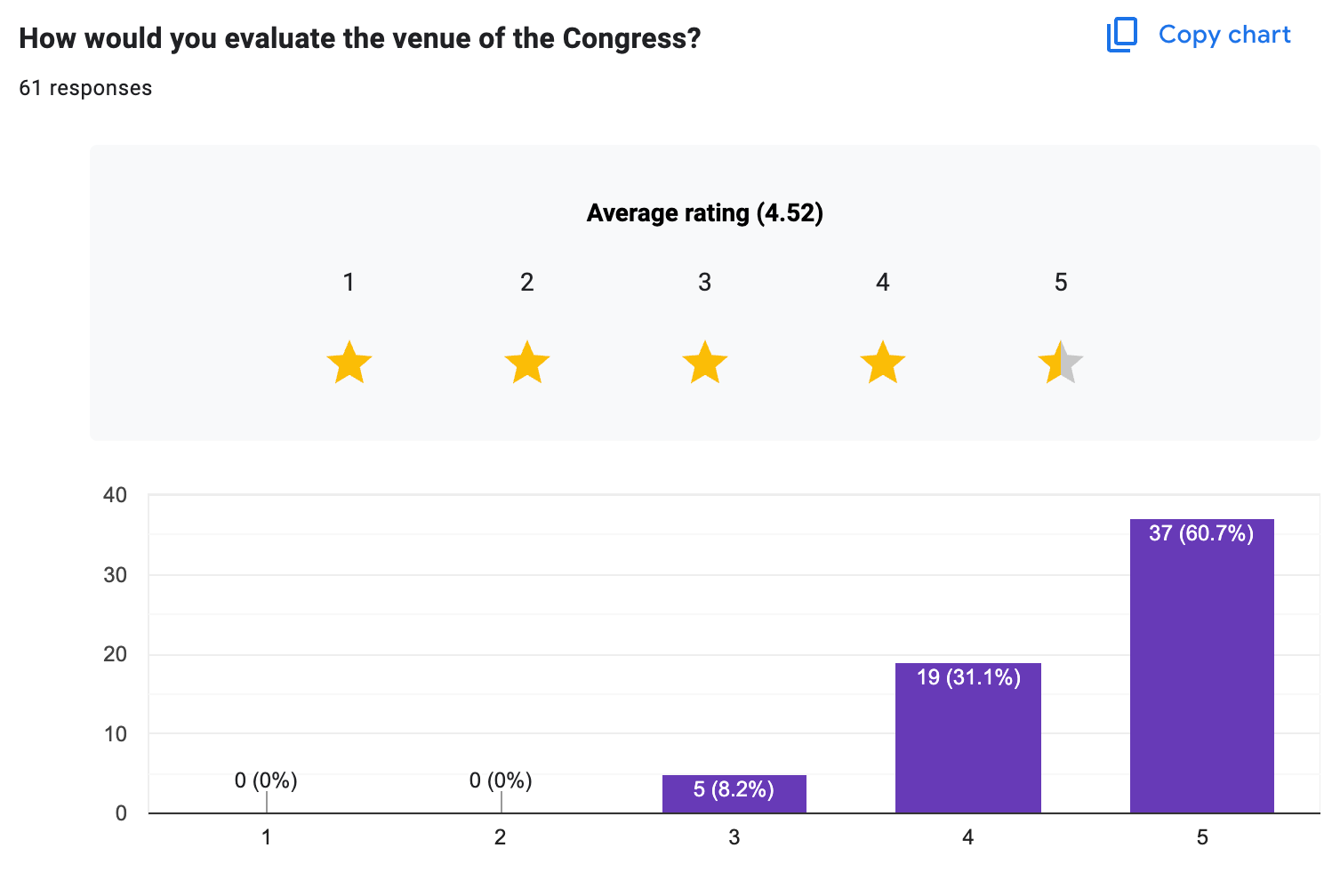
The feedback we received so far from more than 60 of you is really encouraging: in terms of the overall programme and organisation of the congress, its lectures, workshops, communication and logistics, the average rating is between 4.2 and 4.5 points (where 5 points is an excellent rating and 1 a poor one). The same range applies to the venue itself, the catering and the consideration of sustainability aspects during the congress.
Topics varied in relevance according to the rangers’ roles
The answers varied more widely when it came to the more detailed questions: For example, when asked about the lectures and workshops and their relevance to ranger work, the answers depended heavily on the specific ranger tasks of the survey participants – for those who actively combat wildlife crime, for example, the relevant lectures and workshops were particularly interesting, while for rangers who are more involved in environmental education and public relations, lectures on involving local communities and workshops on nature interpretation, volunteering in nature conservation and junior ranger programmes.
Uniform feedback: The plan for Europe’s largest national park is most inspiring
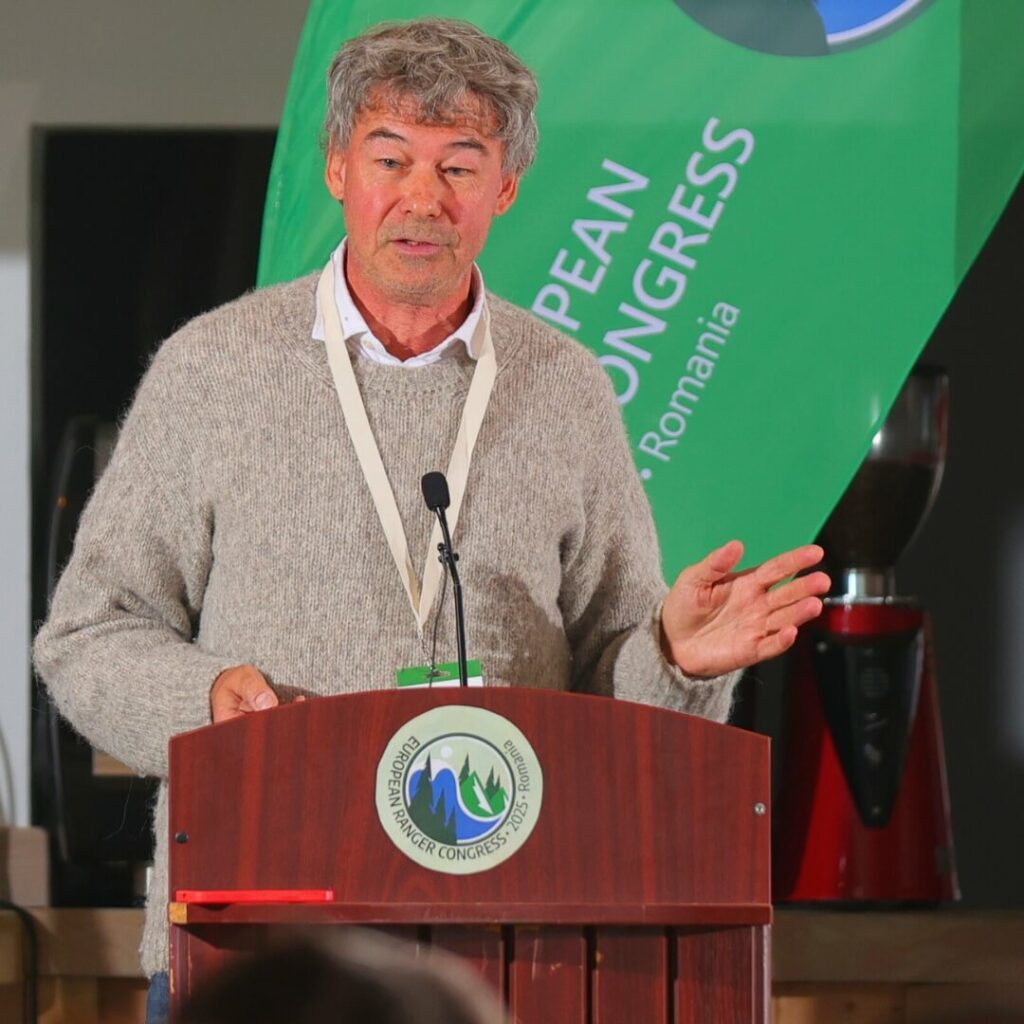
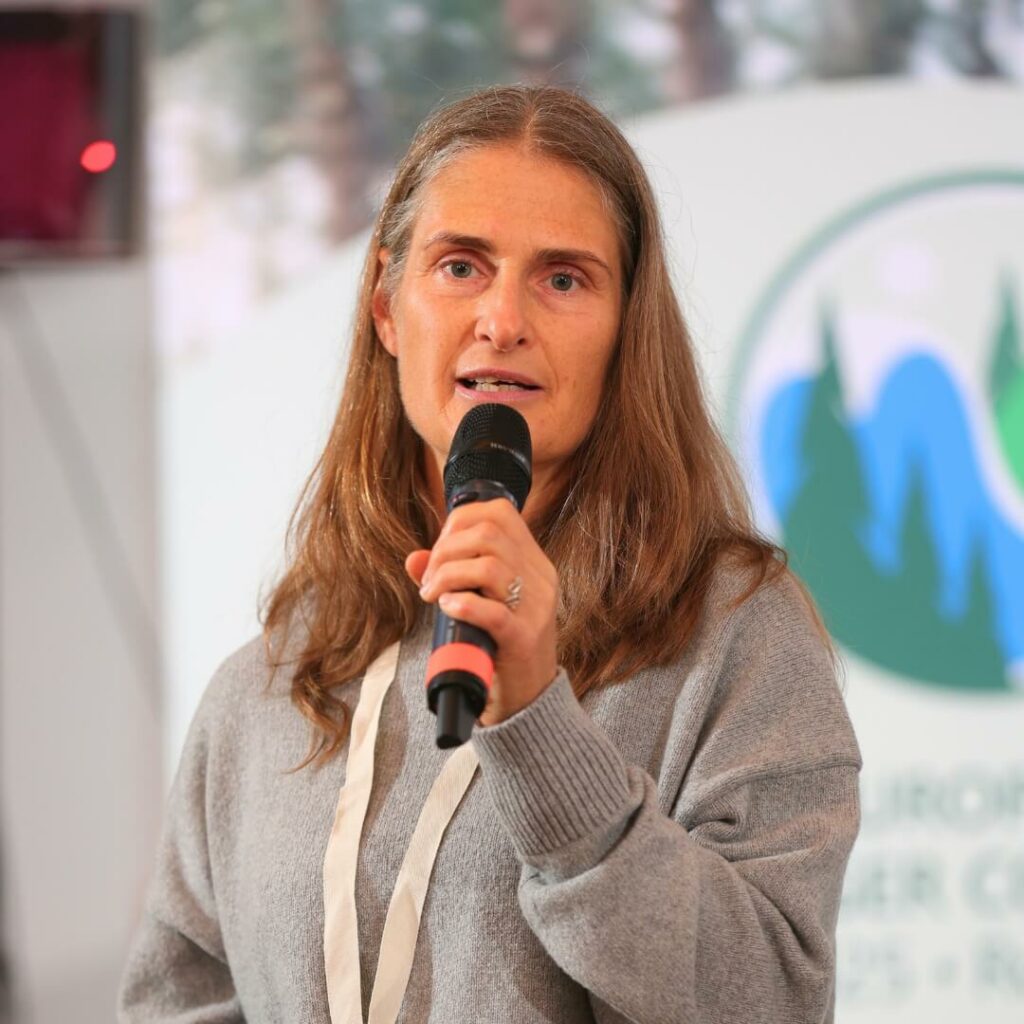
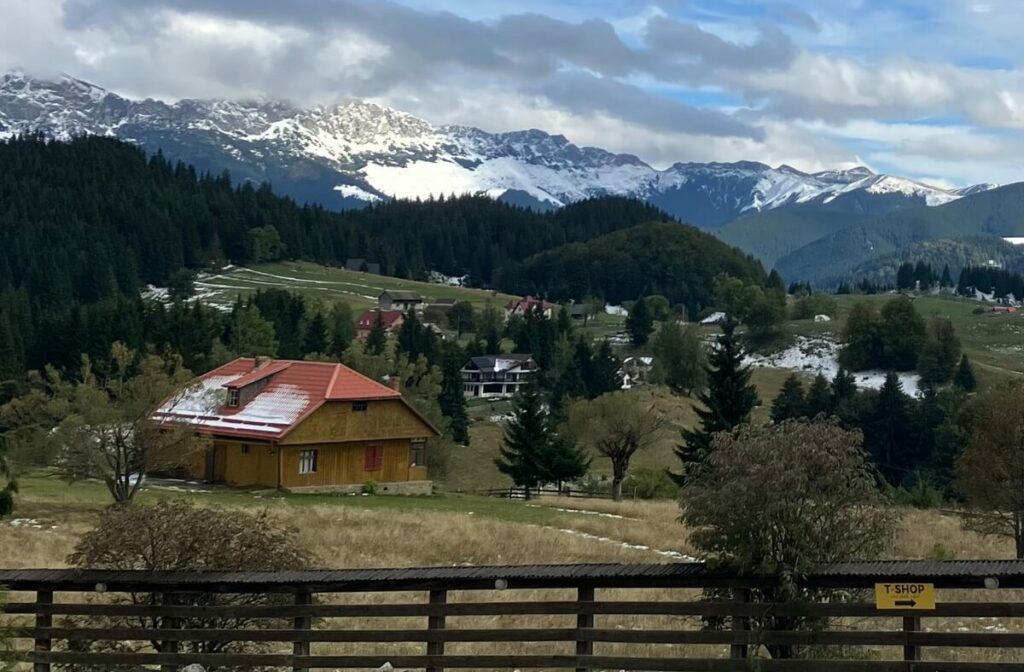
However, what inspired the big majority was the vision of Barbara and Christoph Promberger to install Europe’s Yellowstone in the region of the congress: the largest national park on our continent. Their strategy includes not only purchasing forest land to protect it and restore nature. Among many other points, it is also based on involving local communities in the national park project: with good management of human-wildlife conflicts, support for income opportunities in harmony with conservation, environmental education and even sponsorship of local sports clubs.
Requests for more workshops and practical learning – indoors and on field trips
A clear picture also emerges regarding the balance between the more practical workshop programme and the part of speeches and lectures: many participants would have liked more time for workshops and for some of the workshops to have been more interactive and hands-on.
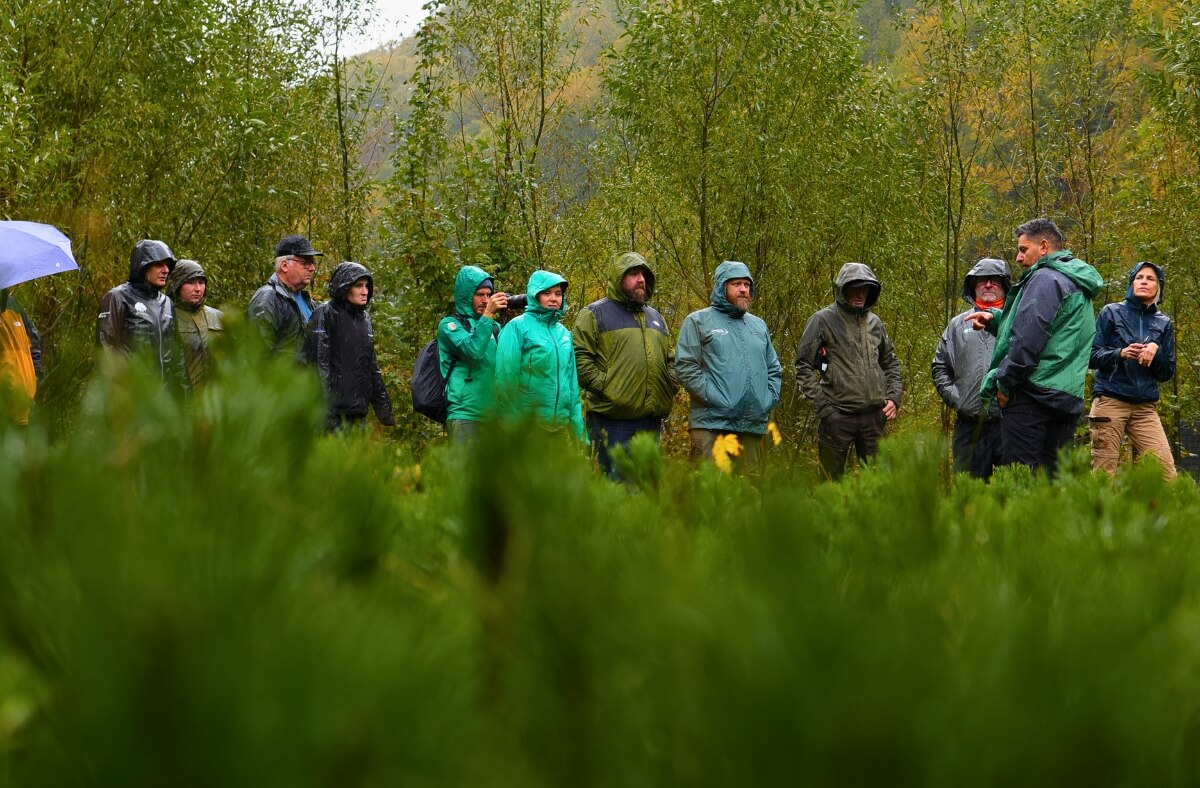
Given the poor weather, the excursions were rated as insightful in terms of the insights gained into information centres and junior ranger programmes. Some would have liked more information about the special nature sites and the work rangers do there, while others would have liked to have gone on longer hikes. As a wish for the future, several participants suggested reducing the time spent travelling by bus to the excursion destination in order to spend more time outdoors and see the rangers’ work areas.
Key takeaway: Networking among rangers and ways to involve locals
Asked about the most practical outcome for the own ranger work during the entire congress, a clear picture emerges: networking between rangers.
“There’s always someone with a better solution for the challenges you’re facing yourself and always someone thankful for shared information by you”
as one survey participant put it. The feeling of being part of a community and a sense of belonging are other responses that are mentioned time and again – for example, as follows:
“It was the feeling of being part of a group of like-minded people.”
“The role of the Ranger is a very varied role across the whole of Europe, but it all comes down to dealing with people and controlling the effects of people on our natural world.”
Most valuable takeaway: exchange of practical approaches from other ranger teams
Many participants also point to the examples they have learned about involving the local population – building bridges between them and nature conservation, as the congress theme states.
“No matter what the project is or how big it is, it can only work with the local population. Winning them over to your cause is not easy, but it is a game changer! At the congress, I saw many examples of how this can be done and what obstacles need to be overcome”
one answer to this question reads for example. Another participant answers:
“The most valuable takeaway was the exchange of practical tools and approaches from other ranger teams – especially how they involve volunteers and local communities in data collection and environmental education. It inspired new ideas for improving collaboration with schools and local stakeholders back home”
Need for more breaks to process intensive input
The answers to the question of what could be improved at the next European Ranger Congress were once again very varied. However, the desire for more time for the ‘informal’ programme, such as networking and exchanges between rangers, but also more breaks to process the intense impressions or take a short walk, was repeatedly expressed.
Your feedback: highly valuable for planning our offers
We will take all of this, especially your diverse requests for topics for our next training and networking opportunities, into account in our future discussions. They range from Mental Health via Discussion Techniques to cooperate with locals and Fighting Wildlife Crime to Fundraising, Rangering in Urban Areas, Conflict Management and many more.
Thank you very much for your valuable insights into what you liked and what would really help you in the future! It in turn helps us greatly to work towards what we are here for: to help and connect you rangers in the field according to your needs.
And we welcome anyone else who would like to share their feedback on the congress or ideas for the future with us: the survey form for the 6th ERC is still open!