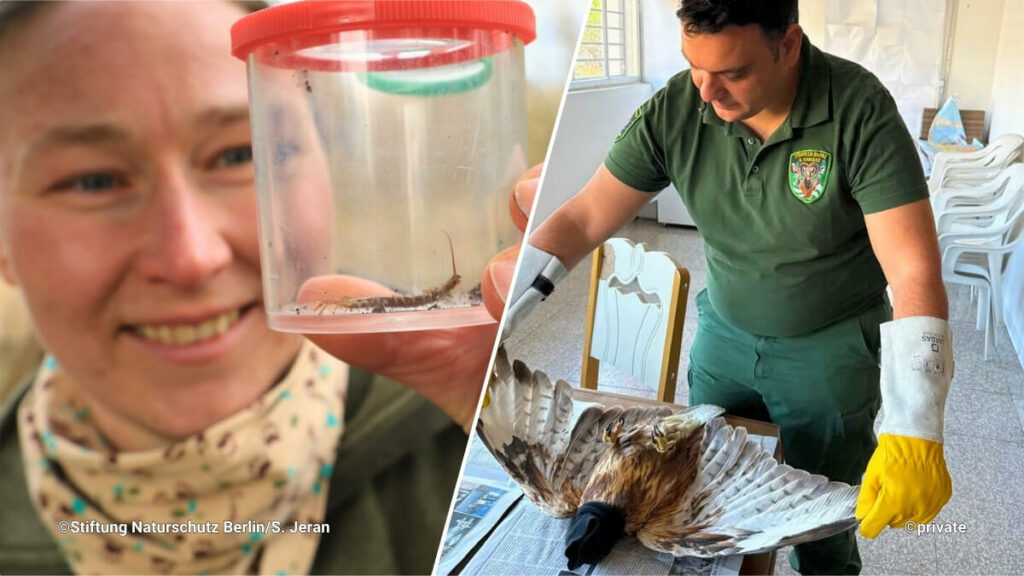
For one, it’s about rather inconspicuous or hidden natural treasures in a metropolis; for the other, it’s about combating wildlife crime in an island nation: Meike Borchert from Germany’s capital Berlin and Giorgos Christofi from Cyprus, at first glance, live very different everyday lives as rangers.
But for both of them, as this edition of ‘Two Rangers, Two Projects’ shows, it ultimately comes down to one thing: protecting the remaining natural treasures from human overexploitation and thus ensuring a future worth living for us humans as well.
How I became a ranger and got involved in the project
Meike
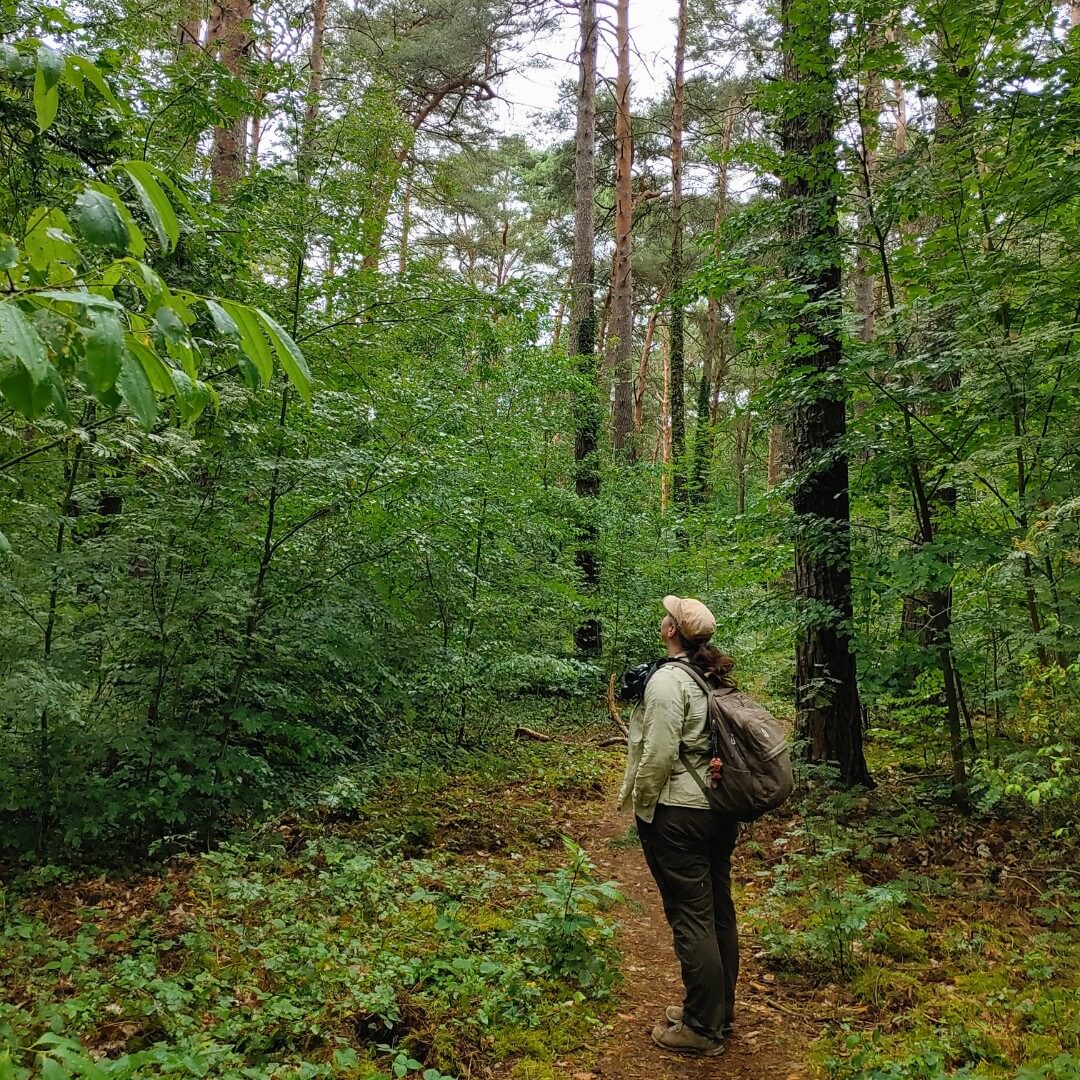
I studied biology, but didn’t want to go into research. So I spent a volunteer year at a biological station, where I learned skills such as cutting meadows and trees. After that, I worked as a ranger in a biosphere reserve until the Berlin city government launched a new project: they were looking for rangers who could do research – with my current employer, the Berlin Nature Conservation Foundation (SNB), implementing the project. Basically, we rangers are taking inventory of Berlin’s natural areas and then make recommendations for their ecological protection. For example, how the meadows or protected species could be better cared for.
“Our goal is to change the methods of all green space authorities to ensure a stronger focus on conservation.”
We are in contact with all managing departments for green spaces throughout Berlin. If they are unable to implement our recommendations, we take care of it ourselves. However, our goal is to change the methods of all green space authorities to ensure a stronger focus on conservation. As a second step, we try to connect the public with this nature, especially the people living around it.
Giorgos
I believe it was my destiny to become a ranger. I have been fascinated by nature since I was a child. Even as a five-year-old, I would throw fish back into the sea when I went fishing with my father. This passion stayed with me into adulthood. At the age of 19, I joined the Cyprus National Service for Wildlife and Fauna as a seasonal worker to combat poaching and protect wild animals. After completing my master’s degree in environmental protection and management with a thesis on wildlife mortality in Cyprus, I have been working in a permanent position with the same organisation. I work in forest fire risk prevention, patrol against poaching, help rehabilitate wildlife and support the certification of European nature conservation projects through tasks such as monitoring, e.g. for the ‘Life with Vultures Project’.
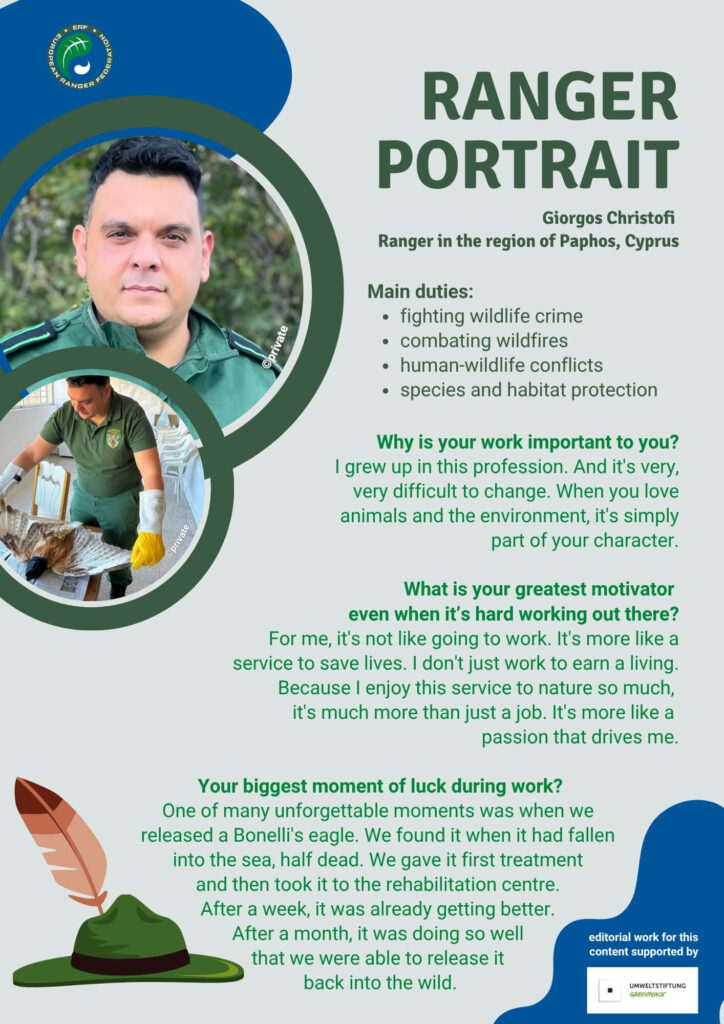
In addition, I am committed to strengthening the ranger profession in Cyprus through international networking – and have therefore recently become an individual member of the International Ranger Federation and thus the European Ranger Federation.
What the Ranger project is about
Meike
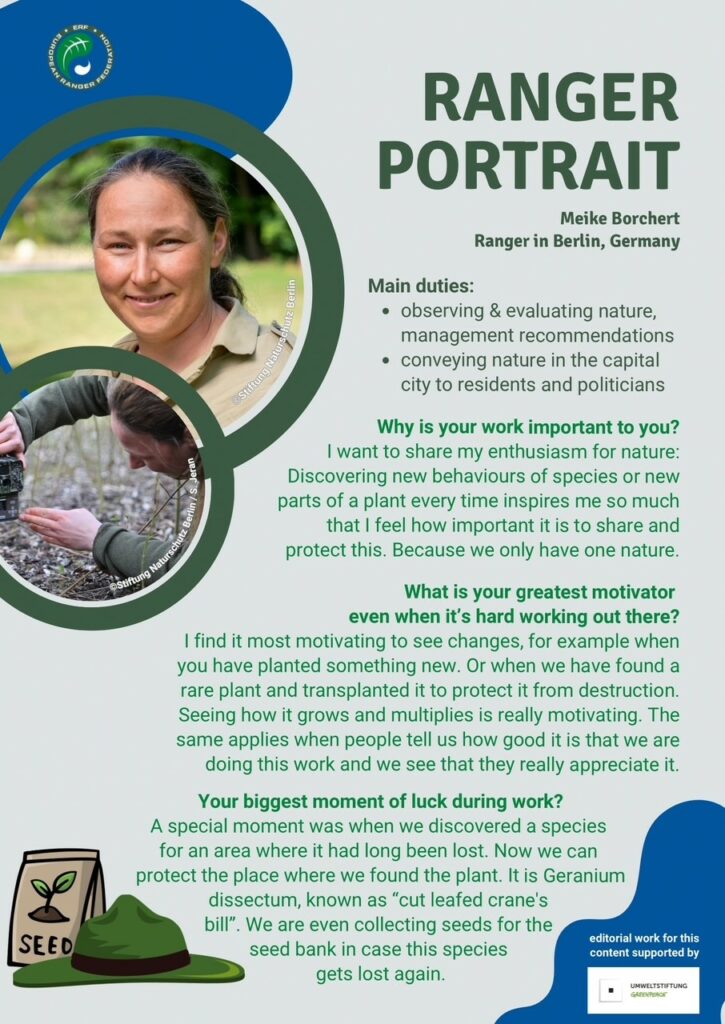
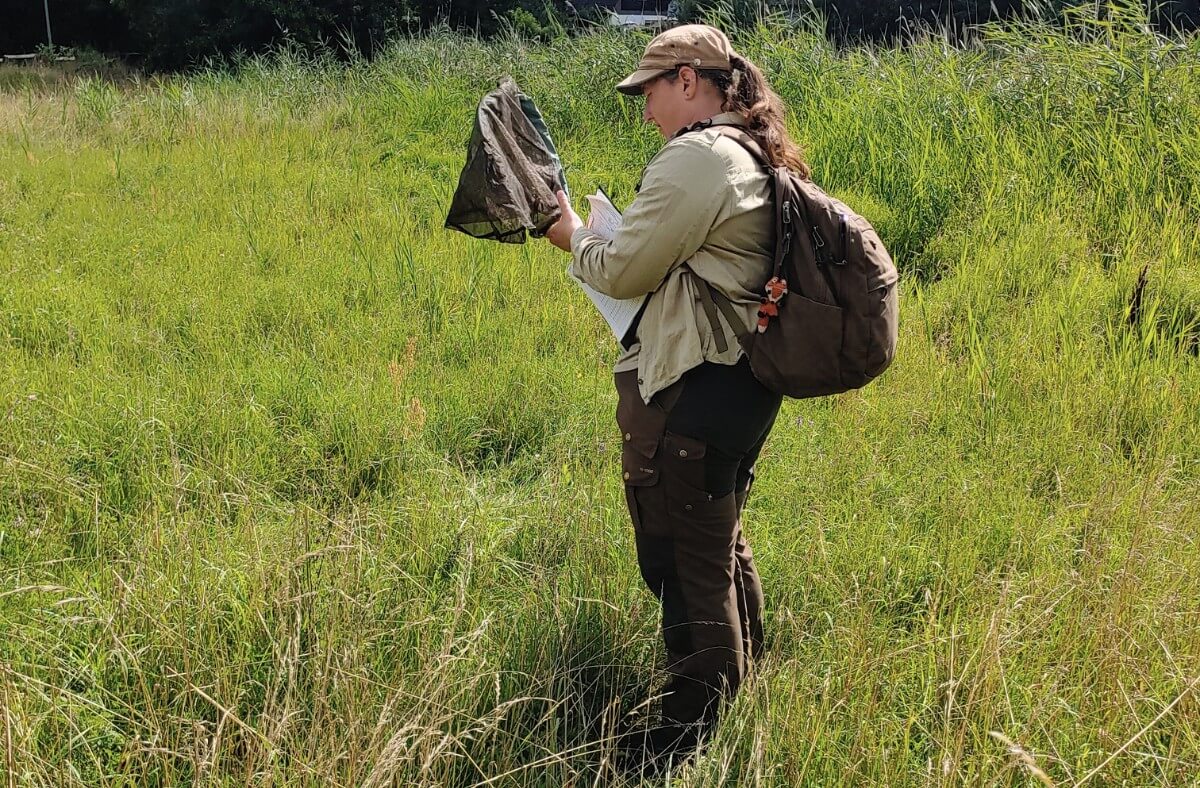
The main goal is to make nature in the city more visible, valuable and protected for everyday life in the city. To this end, we conduct research, monitoring and community engagement to raise public and, in particular, political awareness. There are many parties in Berlin. Therefore, it is important to show them what they have and to educate them about the environment. That’s why we often give guided tours to politicians, especially when elections are coming up. So we not only have to protect nature as such, but also often defend it against politics.
Another important goal of our work as city rangers is to be outside and show people what they have on their doorstep. And to protect the rarer species we have. We don’t just work in protected areas, but in all green spaces. Many city dwellers don’t understand what nature means. It can be difficult to bring children into contact with nature, as they often only use it to play football or similar games. So our challenge is to show them that nature is more than just a green space to play in.
Giorgos
In our country, rangers work across many authorities and organisations. We have several government agencies: the forestry authority deals with wildfires and everything to do with forests. We have authorities for hunting and for the management and protection of wild animals. Our area of responsibility includes special protection areas for birds and Ramsar sites.
“There is a lack of uniform, formally recognised ranger training and public understanding of the role of rangers.”
In addition to these environmental authorities, we also have many non-governmental organisations. The training of rangers is also divided among various authorities: we have a forestry academy where you study for three years before taking an exam to become a forest ranger. And with regards to our service, which includes the fight against wildlife crime, a training school for wildlife wardens and environment is currently being planned. So there is a lack of uniform, formally recognised training and public understanding of the role of rangers.
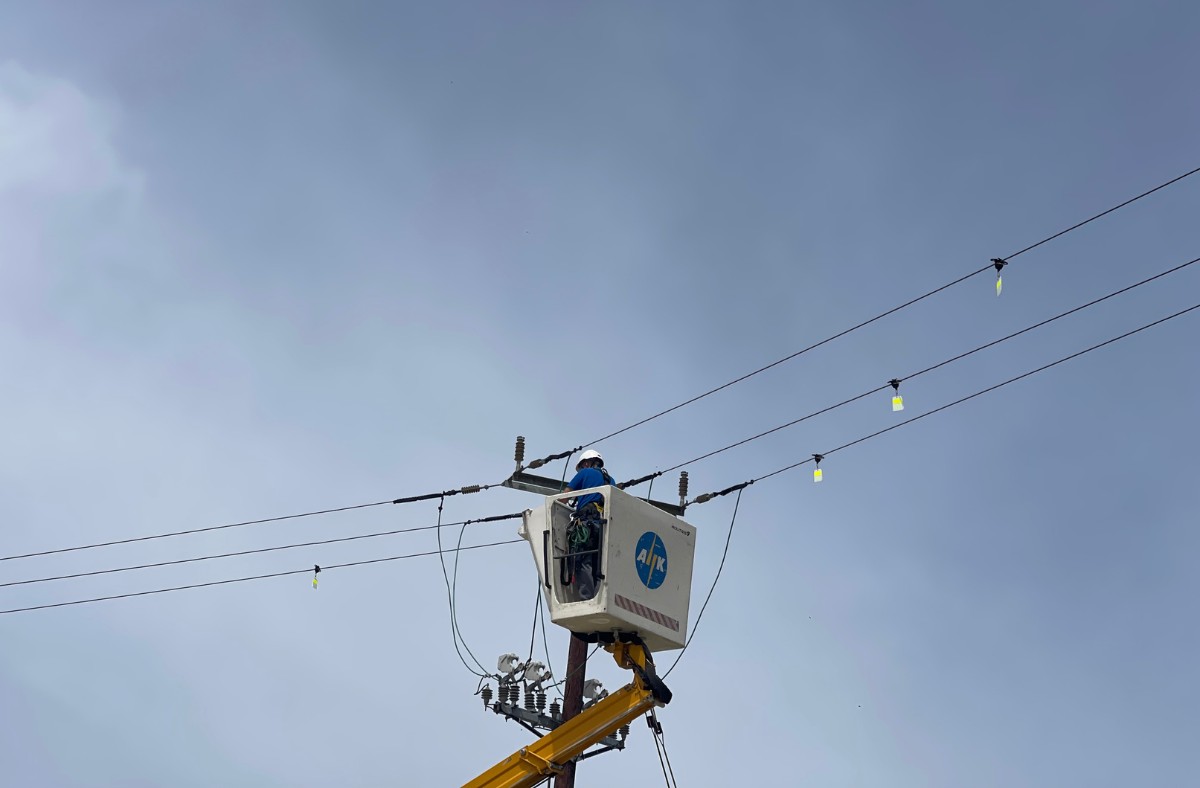
My work for example is extremely varied: We take injured birds to rehabilitation centres, we collect dead animals and send them for examination. We take measures to modify power lines to prevent collisions of birds, put up signs at the road to prevent accidents with wildlife, go out in search of poison with dogs, are fighting poachers and many more. With this great variety of ranger tasks, I would therefore like to expand international cooperation to implement a structured training programme for rangers.
Challenges, outcomes and goals
Meike
We found several species of animals in Berlin, such as otters, which meant that some sections of the river could be renaturalised. We also found beavers and were able to place their habitats under special protection. We have also put up signs to raise awareness among motorists and prevent accidents involving these animals. In addition, we have been able to raise awareness of Berlin’s nature to such an extent that public engagement has increased, for example through Green Social Days, which we organise with institutions, companies and other groups for clean-up and planting campaigns, meadow cutting and other activities.
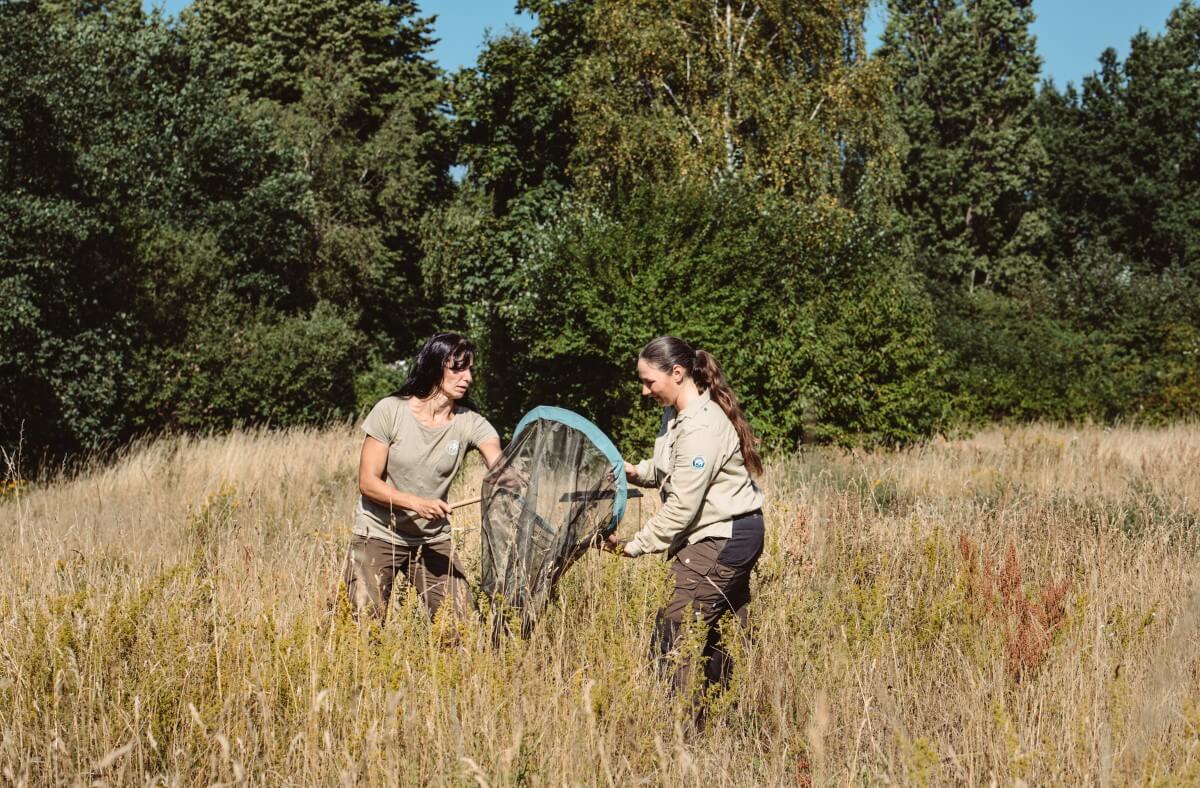
With children, we have to start very small and make them understand that nature is something good: you can touch it, hear it, feel it. To support this, we have even launched a Junior Ranger project, where children can experience nature firsthand and learn about local wildlife. In the beginning, this is a challenge, e.g. teaching them not to be afraid of spiders or similar creatures.
“We need to raise awareness of the overuse of nature and hold lots of discussions to change people’s minds towards sustainable behaviour.”
With older people, the challenge is that there are so many of them. That’s why we need to raise awareness of the overuse of nature, such as lakes – so we hold lots of discussions to change people’s minds and encourage them to behave sustainably. Even if that means they can no longer swim where they have always swum.
Giorgos
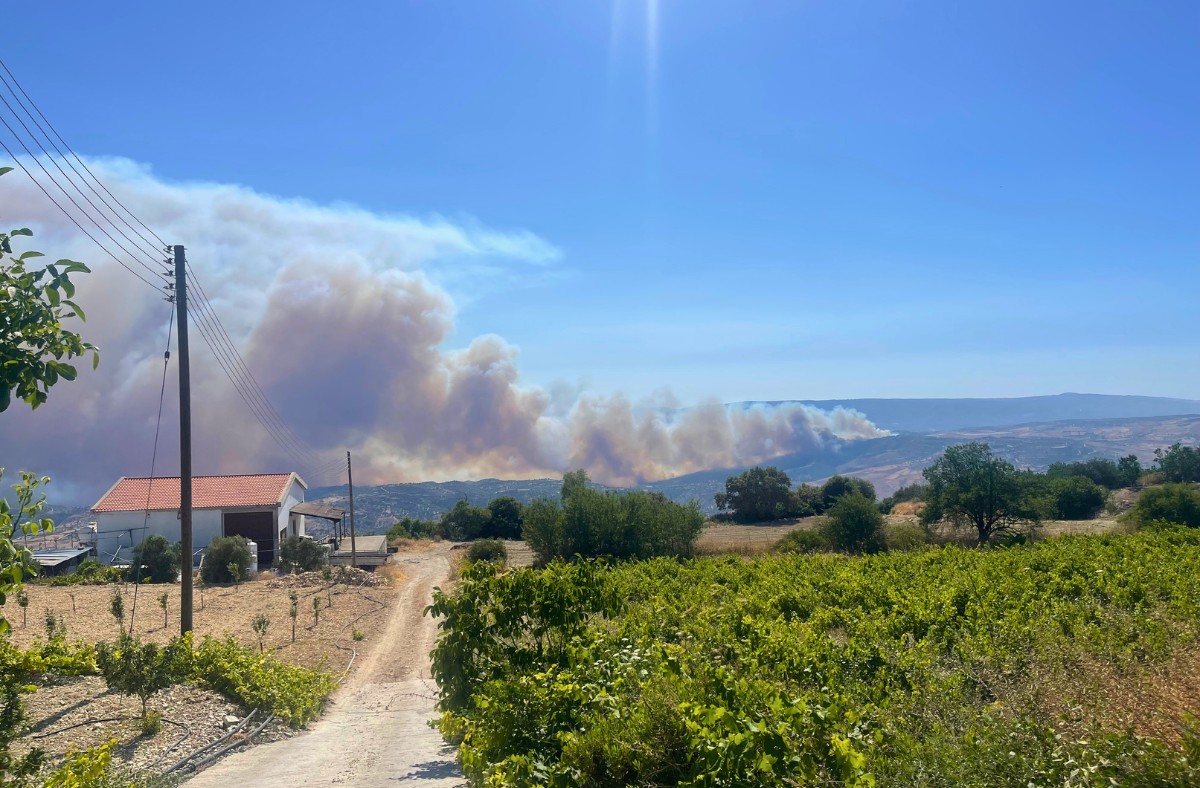
In Cyprus, we do very good conservation work in the area of technical water facilities, we create water ports, we clean natural springs. We also carry out sowing on large areas to ensure food availability and enhance the habitat sustainability for wildlife. This knowledge is something we could very well contribute to an international exchange. But in the future, we will have to better adapt to climate change with new technologies like new monitoring systems, AI and drone technology. If we don’t find solutions, the countries of the Mediterranean and the Middle East will become deserts in the next ten to twenty years.
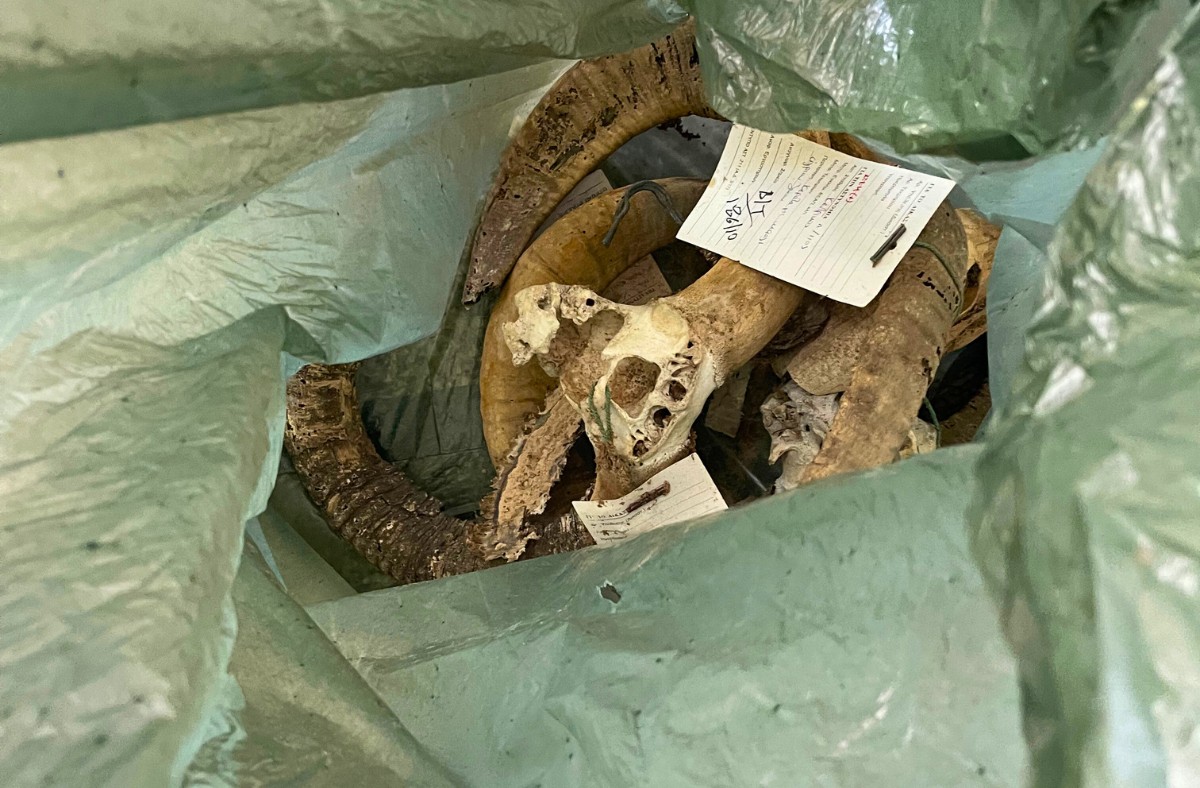
But being in service for 16 years now, I have seen many changes for the better in recent years. I believe that the EU is helping Cyprus to move in the right direction. Our laws are getting better and better. For example, we have high penalties for wildlife crime, up to €50,000 for hunting Cypriot mouflons. Our work in the environmental field is improving all the time. This also has to do with a lot of training opportunities like I regularly use for my work in the field of wildlife crime. And we are involved in LIFE programmes, where we learn a lot.
Finally, we see how people are gradually changing their behaviour outdoors and understanding why nature needs to be protected.
editorial work for this
content is supported by